01Water
Water immersion
A bath or plunge surrounds the body with cooled water.
A category thesis · Published by BHVD
Beyond the plunge.
Cold, by design.
Cold as a physical input. Sound as guidance. Attention as a practice. The thinking behind The Ice Sack—designed for deliberate state transition.
Explore the shift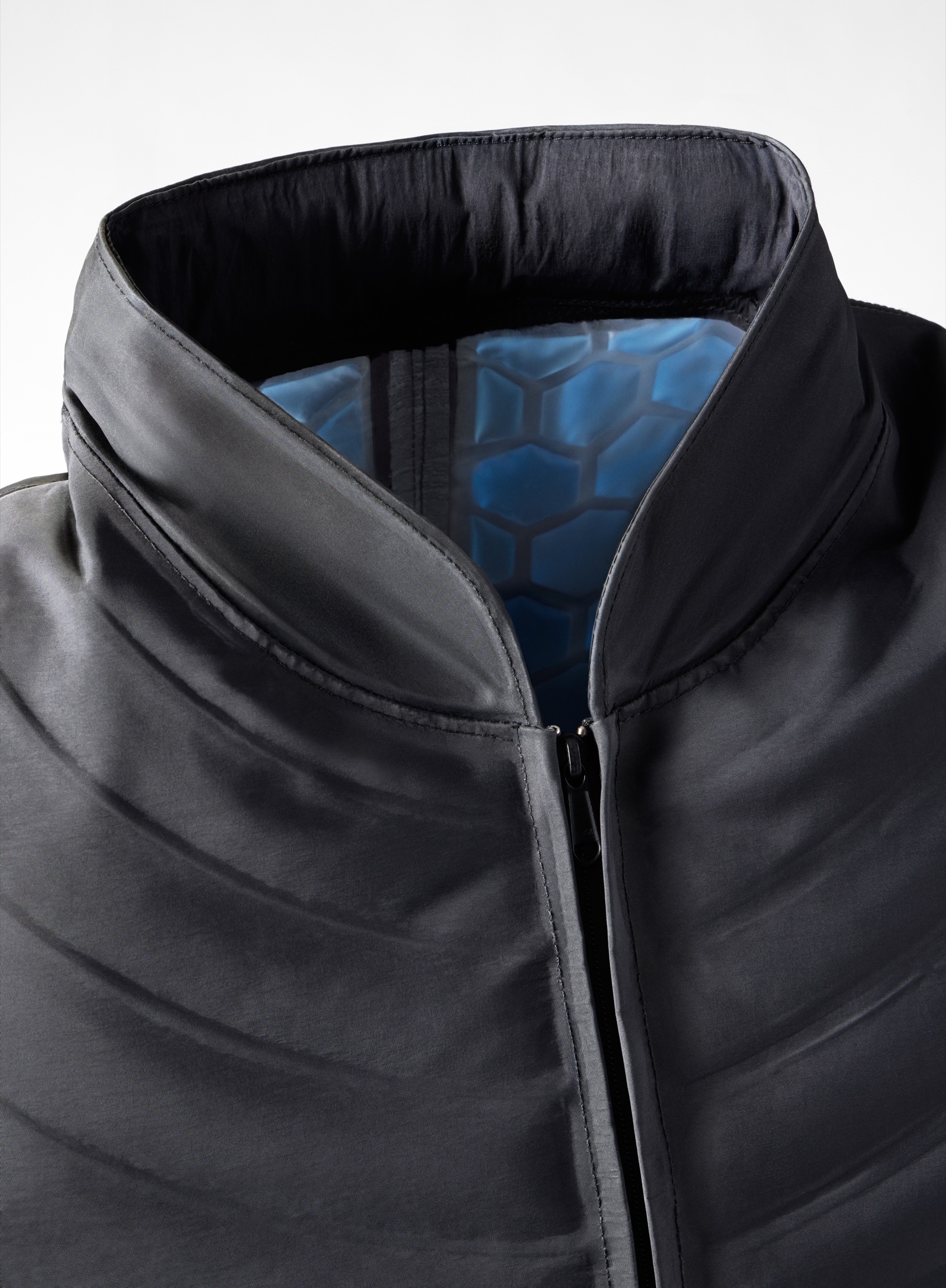
The thesis
BHVD’s thesis is deliberate state transition: designing the conditions for an intentional shift in how you feel. Controlled cold is our starting point. The method, preparation, timing and choice to stop shape the practice.
01 / Methods
Water immerses. Air surrounds. A cold material makes contact. These are distinct ways to deliver cold—and different starting points for product design.
A bath or plunge surrounds the body with cooled water.
A cooled environment surrounds the body with cold air.
A cooled material makes contact with the body. Dry containment is one example.
Delivery methods, illustrated—not a comparison of intensity, safety or outcomes.
Compare the methods in detail02 / Evidence
This guide connects each finding to the method and conditions studied. Research on water immersion informs the wider field; it is not product-specific evidence for dry containment.
Explore the evidenceThe delivery method, temperature, duration, people and setting.
The outcome, how it was recorded, and the limits of the study.
Research context, manufacturer statements and direct product evidence are different things.
03 / A practice of attention
Attention belongs in the design, too. BHVD’s practice model gives a session a simple structure: notice the sensation, assess your comfort and choose what happens next.
A sensation becomes noticeable.
Pay attention to what you feel.
Consider your comfort and limits.
Continue, adjust, or end the session.
Notice how you feel afterward.
A BHVD practice framework.
Explore the reasoning and evidence context.
04 / The first expression
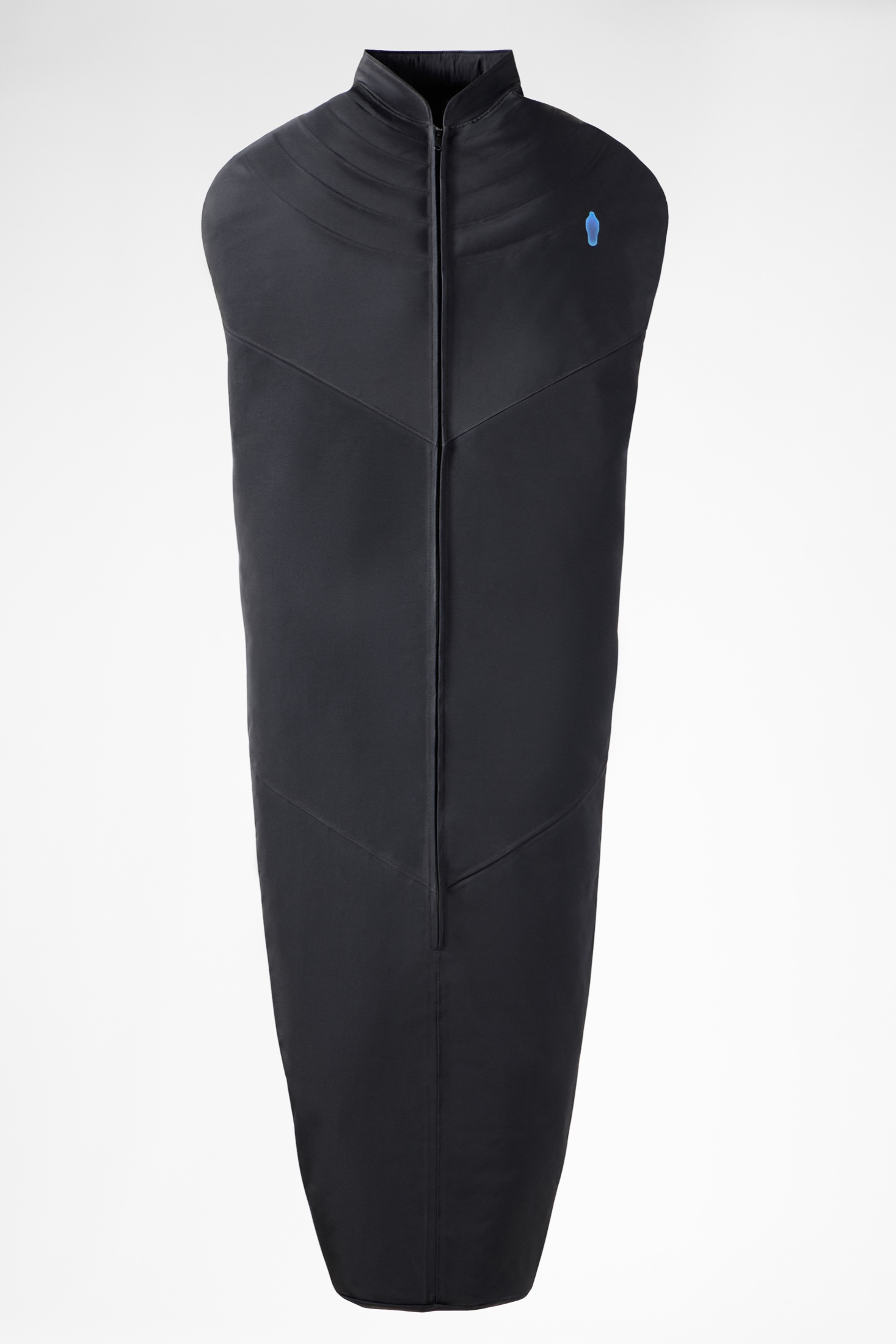
The Ice Sack brings full-body dry cold and guided sound into one system. An integrated phase-change cold core provides the cold; Neuropause guides a nine-minute session.
No tub to fill or drain. No water to maintain. A form that folds away between sessions.
Meet The Ice Sack Explore the design & preparation05 / What comes next
Cold is the starting point. BHVD’s wider ambition is to design objects and guided experiences that help people deliberately shift how they feel. The Ice Sack brings that thinking into a physical form.
Explore the world of BHVD